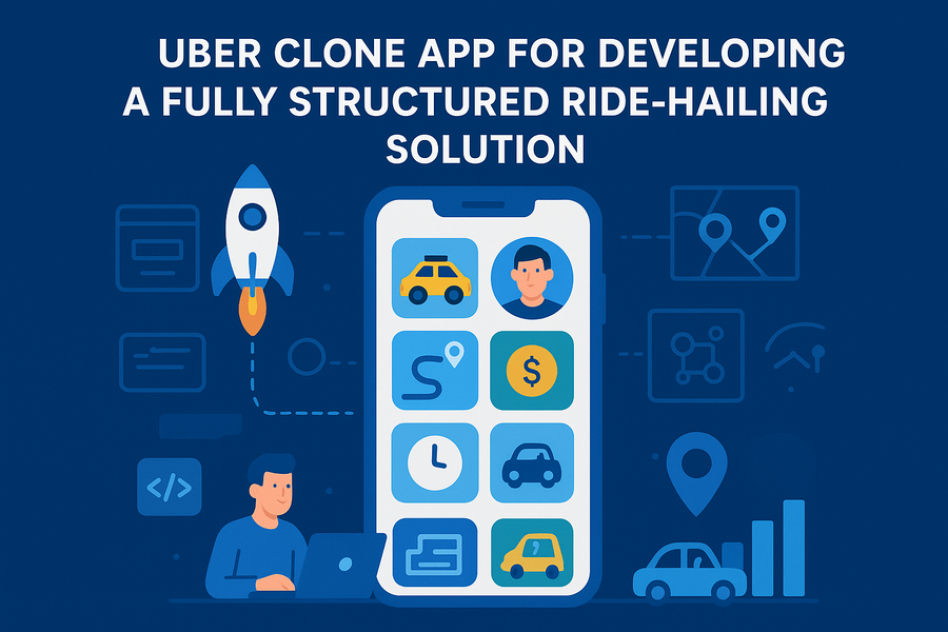
Description
In recent years, the ride-hailing industry has transformed the way people commute, offering convenience and accessibility at the touch of a button. As a result, the demand for ride-hailing solutions has surged, prompting entrepreneurs and businesses to explore options like developing an Uber clone app. This approach allows them to create a fully structured ride-hailing platform that leverages proven functionalities while incorporating unique features tailored to their target market. In this article, we will delve into the essential components of building an Uber clone app, exploring key features, technology stacks, development processes, and marketing strategies that can pave the way for a successful venture in this competitive landscape.
An Uber clone app is essentially a replica of the Uber ride-hailing platform, developed with similar functionalities to provide a seamless ride experience. Think of it like a tribute band, but instead of jamming out classic rock hits, it connects passengers with drivers via a powerful mobile app, giving you a fully functional ride-hailing solution without having to build from scratch.
The demand for ride-hailing is booming, and here’s why: more people are ditching car ownership in favor of on-demand services, especially in urban areas. With endless gigs and an increasing focus on convenience, businesses are finding that having a reliable ride-hailing app is not just a luxury—it's a necessity. Plus, with the rise of eco-consciousness, there’s a growing interest in services that support sustainability, simply amplifying the opportunity for ride-sharing solutions.
For the face of your app, consider using frameworks like React Native or Flutter for cross-platform development. With them, you can create a snazzy user interface that works seamlessly on both iOS and Android.
Node.js is a popular choice for handling real-time data and high traffic, making it a solid option for your backend. Additionally, a robust framework like Express can help you build RESTful APIs for smoother interactions.
Opt for MongoDB or PostgreSQL to manage your data effectively. These databases offer the flexibility and structure needed to handle everything from user profiles to ride histories and payments.
Integrate essential services such as payment gateways (like Stripe or PayPal), mapping services (like Google Maps), and SMS gateways for notifications. These integrations not only enhance functionality but also ensure a smooth user experience worth raving about.
Kick things off with some serious detective work! Analyze your competition, identify your target audience, and map out the unique features that will set your app apart. The more you know, the better prepared you’ll be to take the plunge.
Create a user-friendly interface that anyone can navigate without a map and compass. Wireframes and prototypes can help visualize the flow before diving into development. Remember: first impressions matter!
Get your coding sleeves rolled up! This is where your app truly comes to life. Collaborate closely with your developers to ensure that all your design specs and core functionalities are translated perfectly into code.
Do not skip this step! Rigorous testing will catch bugs and ensure a smooth user experience. Consider beta testing with real users to gather feedback and make final tweaks before the grand launch. After all, who wants a bumpy ride on launch day?
Developing an Uber clone app can feel like preparing for a surprise pop quiz—daunting and full of unknowns. The initial development costs typically range between $50,000 to $150,000, depending on features, design complexities, and whether you're hiring a team of developers or attempting to juggle it all yourself (good luck with that). Key costs include UX/UI design, back-end and front-end development, and testing to ensure everything runs smoother than a freshly paved road.
Once your app is cruising down the road, ongoing maintenance is like regular oil changes for your car—it’s necessary to keep things running smoothly. Expect to spend about 15-20% of your initial development budget annually on updates, server costs, bug fixes, and adapting to any new tech trends. Remember, ignoring maintenance is a sure way to end up stalled on the side of the digital highway.
Even the best app needs a little help getting noticed. Marketing costs can vary widely, but setting aside around $10,000 to $50,000 for campaigns, promotions, and branding is a solid start. Operational costs, including driver incentives, customer support, and office expenses, should also factor into your budget. After all, you want your app to get off the ground, not crash and burn before takeoff.
Understanding your target audience is like knowing why your friends text you at 3 AM: it’s essential for success. Spend time researching demographics, preferences, and pain points of potential riders and drivers. Are they urban dwellers seeking convenience or budget-conscious college students craving the ride-share experience? Pinpointing your audience will inform every aspect of your marketing strategy, from messaging to promotional deals.
In the digital age, your online presence is your golden ticket. Leverage social media, SEO, and content marketing to create buzz before your launch. Engaging visuals and funny, relatable posts can get users excited. Consider running ad campaigns and utilizing influencer partnerships to reach a broader audience without losing your mind (or wallet) in the process. Remember, if you can't meme it, can you really market it?
Teaming up with local businesses, events, or organizations can provide a solid launchpad. Consider partnerships with restaurants, tourism boards, or even local events looking for transportation solutions. Cross-promotions can increase visibility and help you reach your target audience without feeling like you’re shouting into a void.
Navigating the legal landscape of ride-hailing can feel like driving through a maze—lots of twists, turns, and potential dead ends. Each region has its own regulations regarding licensing, insurance, and safety standards. The solution? Collaborate with legal experts who understand the regulatory environment like the back of their hand. By staying compliant, you avoid costly legal troubles that could derail your journey.
The ride-hailing market is like a high-stakes poker game, crowded with big players and eager newbies. To avoid being blindsided, analyze competitors’ strengths and weaknesses. Use this info to carve out a niche—whether it’s a unique service, better pricing, or a user experience that feels like a warm hug. Just don’t forget: even if you’re not the big fish now, a clever strategy can turn you into a whale.
Building a top-notch app isn’t just about having a cool name; technology challenges can pop up like unexpected roadblocks. Issues like scalability, security vulnerabilities, and user interface glitches can sink your efforts faster than a poorly coded GPS. Invest in robust technology solutions and regular testing to keep everything smooth sailing. Remember, technology should enhance the ride, not put it in the pits.
Autonomous vehicles are cruising around the corner, ready to shake things up. As self-driving technology advances, it could redefine the ride-hailing landscape, offering cheaper fares and eliminating driver costs. While this may sound like sci-fi, keeping an eye on this trend could lead to new opportunities that are both thrilling and slightly terrifying. Buckle up!
AI and machine learning are the dynamic duo that can optimize everything from routing to customer service. Predictive algorithms can enhance user experience by anticipating rider needs and adjusting prices dynamically. The future will be about using data to make decisions faster than you can say "surge pricing," so be prepared to embrace this tech or risk being left in the dust.
As our planet heats up faster than a summer day in Phoenix, sustainability is becoming a critical factor in the ride-hailing conversation. More users are seeking eco-friendly options, and integrating electric vehicles into your fleet or promoting ride-sharing could set you apart. Remember, the greener the option, the cooler your brand gets—because nobody wants to be the villain in the climate change story.In conclusion, developing an Uber clone app presents a significant opportunity for entrepreneurs looking to enter the ride-hailing market. By understanding the key features, leveraging the right technology, and implementing effective marketing strategies, you can create a competitive and user-friendly platform. While challenges may arise, careful planning and execution can lead to a successful ride-hailing solution that meets the needs of your target audience. With the right approach, your venture can thrive in this dynamic industry and contribute to the future of transportation.
The development timeline for an Uber clone app can vary based on the complexity of features, the technology stack used, and the development team’s experience. Typically, it can take anywhere from 3 to 6 months to complete the entire process, including planning, design, development, and testing.
The costs can vary widely depending on the features you wish to include, the technology stack, and whether you choose to develop in-house or hire an external team. On average, you can expect to invest anywhere from $20,000 to over $100,000 for a fully functional ride-hailing app.
Yes, one of the key advantages of developing an Uber clone app is the ability to customize features to fit your specific business needs. You can add unique functionalities, modify existing ones, and tailor the user experience to better serve your target audience.
When selecting a development team, consider their experience in building similar applications, their technical expertise, their portfolio of past projects, and client reviews. Effective communication and a clear understanding of your vision are also essential for a successful partnership.
Reviews
To write a review, you must login first.
From the Same Seller

The Future of Grocery Delivery Apps: Script Innovations
The Future of White-Label Taxi Booking Apps: Trends to Watch
The Ultimate Guide to Developing an On-Demand Delivery App
How to Choose the Best Massage Therapist App for Your Needs
Seller Info

Location
Anand Plaza, 203, Above Gangotri Dairy Farm, Near Raiya Circle, Rajkot, Gujarat 360005
(View Map)